Sometimes one tiny emoji can say what a whole sentence cannot—especially when something suddenly feels scary, shocking, or overwhelming.
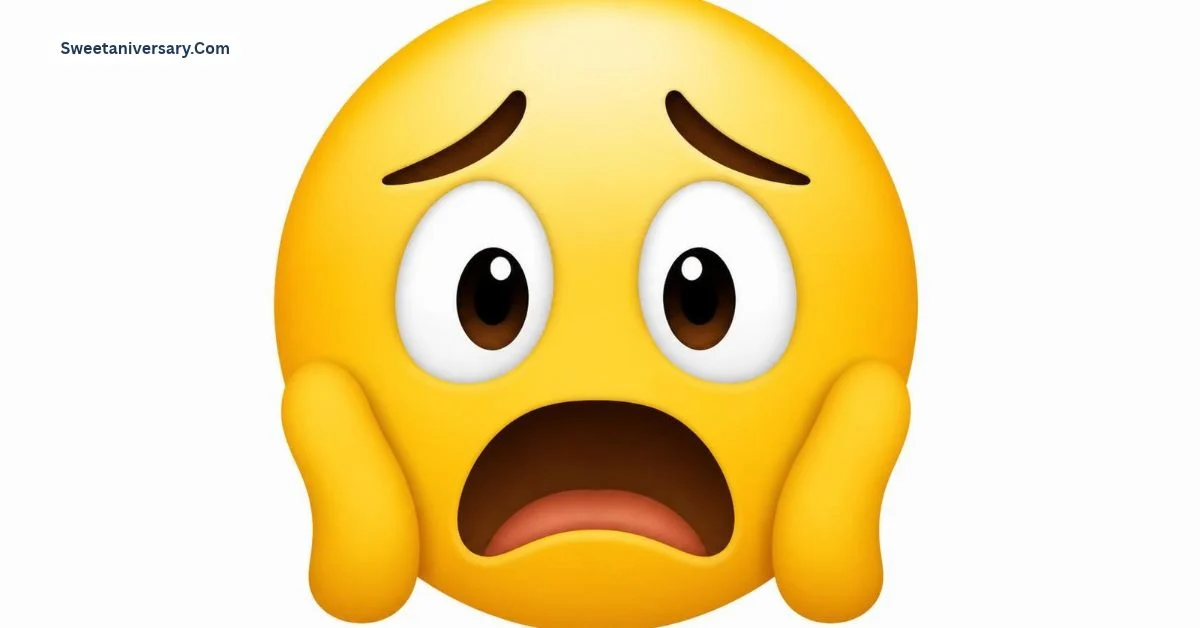
Imagine getting a message that says, “I have some bad news…” Your heart drops, and before you even know what to type, 😨 says it all. The scared emoji is a simple way to show fear, worry, nervousness, shock, or a strong reaction to something unexpected.
Today, emojis are a big part of online conversations. People use them in texts, Instagram captions, TikTok comments, WhatsApp chats, memes, and everyday social posts. The scared emoji can make a message feel more emotional and easier to understand.
But what exactly does 😨 mean? Is it the same as 😱 or 😰? How can you use it in a cute caption or dramatic reaction? And which emoji combinations look best when you want to copy and paste them?
Let’s explore everything you need to know about the scared emoji.
What does scared emoji mean?
The scared emoji 😨 usually represents fear, worry, nervousness, concern, or shock. Its exact meaning depends on the situation and the other words around it.
The face has a worried expression, raised eyebrows, and a visible feeling of concern. It can show that something has made you uncomfortable, frightened, or nervous.
Common meanings of 😨
- Fear
- Nervousness
- Worry
- Anxiety about a situation
- Shock
- Concern
- Surprise
- Feeling uneasy
- A dramatic reaction
- “Oh no!” moments
For example:
I have my exam tomorrow 😨
Here, 😨 shows nervousness.
Did you hear that noise? 😨
In this sentence, it expresses fear or concern.
The movie suddenly got scary 😨
Here, it adds a clear emotional reaction.
The scared emoji does not always mean serious fear. Friends often use it playfully when something is surprising or mildly uncomfortable.
You actually finished the whole pizza? 😨😂
In this case, the emoji makes the reaction funny rather than genuinely frightened.
Scared emoji vs similar emojis
| Emoji | Common meaning |
|---|---|
| 😨 | Fear, worry, nervousness |
| 😱 | Extreme fear, screaming, shock |
| 😰 | Nervousness, worry, anxious relief |
| 😧 | Distress or concern |
| 😦 | Surprise or worry |
| 😳 | Embarrassment, shock, awkwardness |
| 😬 | Nervous or uncomfortable reaction |
A useful rule is simple: 😨 usually feels worried or scared, while 😱 feels much more dramatic.
How to use scared emoji emojis
The scared emoji works best when it supports the feeling of your message. You can place it at the end of a sentence, use it as a reaction, or combine it with other emojis.
1. For a scary situation
I heard something outside 😨
That sound came from upstairs 😨
This place is so dark 😨
These examples use 😨 to make fear clear without needing a long explanation.
2. For nervous moments
My results come out tomorrow 😨
I have to present in front of everyone 😨
First day at my new school 😨
Here, the emoji means nervous rather than terrified.
3. For surprising news
Wait… you did what? 😨
You met them in real life? 😨
They canceled the whole event 😨
The emoji adds a strong emotional reaction.
4. For funny reactions
You put pineapple on that pizza 😨😂
You watched the whole series in one night 😨
You really sent that message? 😨😭
The surrounding text and emojis make the tone playful.
5. For social media captions
The scared emoji can add personality to short captions.
Me checking my grades 😨
When the alarm rings at 7 AM 😨
POV: The teacher says “take out a sheet of paper” 😨📄
When your phone is on 1% 😨📱
A small emoji can turn an ordinary caption into a more expressive post.
Best emoji combinations for copy paste
Sometimes one emoji is not enough. Combining 😨 with other emojis can create a stronger mood.
Here are ready-to-copy combinations:
Scared emoji combinations
- 😨😱
- 😨😰
- 😨😭
- 😨💀
- 😨😳
- 😨😬
- 😨🫣
- 😨👀
- 😨⚠️
- 😨🚨
- 😨😵
- 😨🙈
- 😨🫢
- 😨💔
- 😨🌑
- 😨👻
- 😨🏃
- 😨😶
- 😨🤯
- 😨😂
Funny scared combinations
- 😨😂
- 😨😭😂
- 😨💀😂
- 😨👀😂
- 😨🫣😂
- 😨😳😂
Dramatic combinations
- 😨😱🚨
- 😨💀😭
- 😨😱💀
- 😨⚠️🚨
- 😨👀😱
- 😨🫣😱
Cute scared combinations
- 😨🫣
- 😨🥺
- 😨🐣
- 😨🙈
- 😨🫶
- 😨💗
Scared reaction combinations
- 😨👀
- 😨🤨
- 😨😳
- 😨🫢
- 😨😬
- 😨😶
You can also create a mini emoji reaction without words:
😨👀🫣
or
😨😱😭
These work especially well in casual chats and comments.
Aesthetic emoji ideas for social media
Emojis are not only for conversations. They can also change the mood and visual style of your social media content.
On Instagram, TikTok, WhatsApp, and similar platforms, 😨 can work as a dramatic accent in captions, stories, comments, and status updates.
Instagram caption ideas
That moment when everything goes wrong 😨
Not ready for tomorrow 😨☕
When the plot takes a wild turn 😨👀
Me reading the group chat 😨📱
This was NOT part of the plan 😨
For a cleaner aesthetic, avoid filling the entire caption with emojis. One or two carefully placed emojis often look better.
TikTok ideas
The scared emoji can fit reaction videos, relatable clips, comedy, and unexpected moments.
Try combinations such as:
😨👀
😨💀
😨😭
😨🫣
For a funny video, you might write:
When you realize the camera was on 😨
For a reaction-style post:
Me watching the final five minutes 😨😱
WhatsApp status ideas
The emoji also works naturally in short statuses.
Monday again 😨☕
Exam week 😨📚
That was unexpected 😨
I am not ready 😨
My phone battery is at 2% 😨🔋
Aesthetic emoji styles
If you want a simple look, try:
😨 ✦ 👀
😨 ⋆ 🫣
😨 | 😱 | 😭
☁️ 😨 🫣
😨 𖦹 👀
Keep decorative symbols balanced with the emoji so your message stays easy to read.
Common problems and solutions
Emoji use can sometimes be confusing. The same face may also look slightly different across phones, apps, and operating systems.
Why does the scared emoji look different on my phone?
Emoji designs are created by individual platforms. Apple, Google, Microsoft, Samsung, and other systems can display the same Unicode emoji with slightly different artwork.
The meaning stays broadly similar even when the design changes.
Why does 😨 look different from 😱?
Both can express fear, but their emotional intensity is different.
😨 usually suggests fear, worry, concern, or nervousness.
😱 often suggests extreme fear, shock, screaming, or a dramatic reaction.
For a nervous exam reaction, 😨 may fit better. For a horror-movie scream, 😱 may be more appropriate.
Why does my emoji appear as a box?
If your device or app does not support a particular emoji version, it may display a blank box or another placeholder.
Try updating your operating system, browser, or messaging app. Older devices may not support newer emoji designs.
Can 😨 be used as a joke?
Yes. Context matters.
For example:
You ate the last slice 😨
This usually sounds playful rather than genuinely frightened.
Adding 😂, 💀, or 😭 can make the humorous intention even clearer.
Is 😨 appropriate for serious situations?
It depends on the situation. If someone is sharing a genuinely difficult or frightening experience, a scared emoji may sometimes feel too casual.
For serious conversations, thoughtful words are usually more important than emojis.
Why does an emoji look different after copying and pasting?
The emoji itself is represented by a Unicode character, but the receiving platform may use a different emoji font or design. That is why the same 😨 can look slightly different from one app to another.
Trending emoji usage in 2026
In 2026, emoji conversations continue to be strongly shaped by short-form content, reaction posts, memes, comments, and visual storytelling.
The scared emoji fits especially well into fast-moving online conversations because it communicates a reaction instantly.
1. Reaction content
Short videos often rely on a quick visual reaction. 😨 can communicate “wait, what just happened?” without a long comment.
2. Relatable posts
People use 😨 for everyday moments that feel dramatic in a funny way.
Examples include:
When you remember the deadline is today 😨
When someone says to talk” 😨
When you check your homework at midnight 😨
3. Meme culture
The emoji can add an exaggerated reaction to memes and screenshots. Pairing it with 👀, 💀, or 😭 can make the reaction more humorous.
4. Story captions
Short, emotional captions remain useful for social stories. A single 😨 can make a photo or video feel more dramatic without adding much text.
5. Emoji combinations
Instead of using emojis alone, users increasingly combine several emojis to create a complete reaction.
For example:
😨👀🫣
can suggest:
“Something happened, and I am nervous to look.”
Similarly:
😨😱😭
creates a much stronger dramatic reaction.
Best way to use the scared emoji in 2026
There is no single “correct” trend. The best use depends on your audience and context. For everyday posts, keep it natural. For memes, exaggerate the reaction. use fewer emojis and leave some visual space.
The most important thing is that the emoji should add meaning instead of replacing it completely.
FAQs about the scared emoji
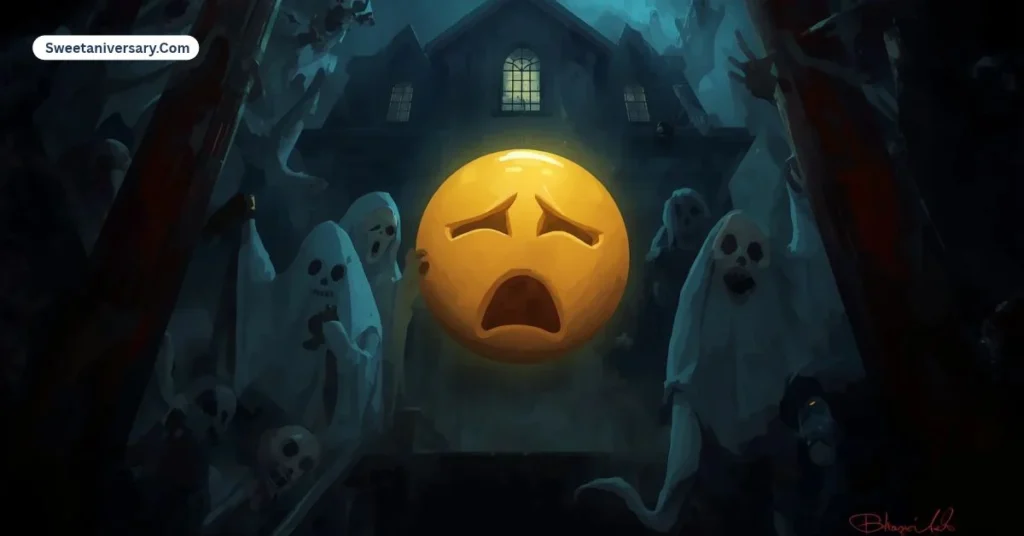
What does the scared emoji 😨 mean?
The scared emoji 😨 commonly represents fear, worry, nervousness, concern, shock, or an uncomfortable reaction.
What is the difference between 😨 and 😱?
😨 usually shows fear or worry, while 😱 often represents extreme fear, shock, or a dramatic screaming reaction.
Can I use the scared emoji in a funny way?
Yes. 😨 is often used humorously for exaggerated reactions, especially when combined with 😂, 💀, or 😭.
What emojis go well with 😨?
Popular combinations include 😨😱, 😨👀, 😨🫣, 😨😭, 😨💀, 😨😂, and 😨😰.
Can I use 😨 on Instagram and TikTok?
Yes. The scared emoji works well in captions, comments, reactions, stories, videos, and relatable social media posts.
Why does 😨 look different on different devices?
Different platforms use their own emoji artwork. The appearance can change slightly, but the general meaning of 😨 remains the same.
The scared emoji 😨 is small, simple, and surprisingly versatile. You can use it to show real worry, nervousness before an important moment, playful shock, or a dramatic reaction to something unexpected.
Whether you need a quick Whats-app response, an Instagram caption, a Ticktock comment, or a copy-paste emoji combination, 😨 gives your message an instant emotional touch. Use it naturally, combine it with emojis that match your mood, and let the context do the rest.
Here’s a CTR-focused conclusion for your Scared Emoji article, written naturally and optimized to encourage readers to engage:
Conclusion:
The Scared Emoji 😨 is a simple way to express fear, worry, nervousness, shock, or a funny reaction without using many words.
Whether you are chatting on Whats App, creating an Instagram caption, commenting on Ticktock, or sharing a relatable moment, 😨 can instantly add emotion to your message.
You can also pair it with emojis like 😱, 👀, 🫣, 😂, and 💀 to create different moods and reactions. From serious moments to funny surprises, the right combination makes your message more expressive and engaging.
So, the next time something leaves you speechless, nervous, or completely surprised, try the Scared Emoji 😨 and let your reaction speak for itself!