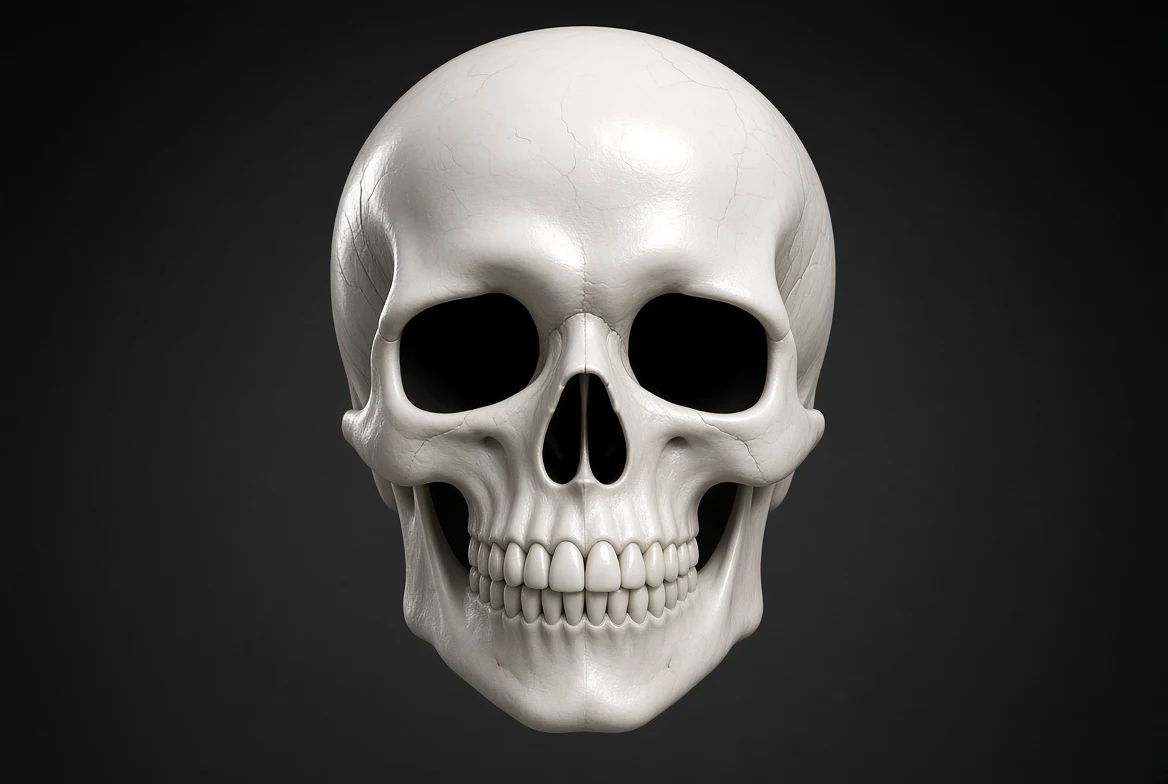
The skull emoji 💀 usually means “I’m dead” from laughing. People use it in texts and social media comments when something is extremely funny, embarrassing, shocking, or unbelievable. Although it literally represents a human skull, its modern slang meaning is often playful rather than serious. The exact meaning depends on the conversation and the sender’s tone.
Key Takeaways
- 💀 usually means extreme laughter: It is a visual way to say “I’m dead” or “That killed me.”
- It can express other reactions: The emoji may show embarrassment, shock, disbelief, exhaustion, or dark humor.
- Context matters: A skull after a joke usually signals laughter, while one in a serious conversation may refer to actual death.
- It is common on social media: TikTok, Instagram, group chats, and other online spaces use it as a quick reaction.
- It does not automatically mean flirting: A person sending 💀 may simply find your message funny.
What Does the Skull Emoji Mean in Texting?
The skull emoji 💀 represents a human skull, but its meaning in everyday texting often goes beyond its literal appearance.
In casual conversations, it commonly means “I’m dead from laughing.” Someone might send it after reading a hilarious joke, watching an awkward video, or seeing a friend’s unexpected comment.
For example:
You: “I studied for three hours and forgot the exam was tomorrow, not today.”
Friend: “BRO 💀”
Your friend is probably laughing at the situation, not suggesting anything dangerous.
Here are the most common meanings of 💀:
| Meaning | Example | What it communicates |
|---|---|---|
| Extreme laughter | “That meme 💀” | That is hilarious. |
| Embarrassment | “I called my teacher Mom 💀” | That was so awkward. |
| Shock | “You paid $200 for that? 💀” | I cannot believe it. |
| Exhaustion | “Three exams in one day 💀” | I’m completely worn out. |
| Dark humor | “That roast was brutal 💀” | That joke was harsh but funny. |
| Literal death or horror | “The story of that haunted house 💀” | The context may involve death or something frightening. |
These meanings overlap. A skull can express laughter and embarrassment at the same time, so the surrounding words are often more useful than the emoji alone.
What Does 💀 Mean on Social Media?
The skull emoji is especially useful online because people can react to a video, joke, or comment without writing a full sentence. Its meaning can vary slightly with the platform and the type of content.
TikTok and Instagram
On TikTok and Instagram, 💀 frequently appears under funny videos, awkward moments, sarcastic jokes, and unexpected plot twists.
For example:
- “The way he said that 💀” means the comment was hilarious or unbelievable.
- “Not me waving at a stranger 💀” expresses embarrassment about an awkward moment.
- “She really posted that 💀” may express surprise, disbelief, or amusement.
The skull also fits deadpan humor, where someone makes a funny statement without showing much emotion. It can communicate, “I cannot believe what I just watched.”
The emoji’s association with laughter became widely recognized in internet culture in the early 2020s. Emojipedia and Know Your Meme both document its use as shorthand for being “dead from laughter.” https://emojipedia.org/skull https://knowyourmeme.com/memes/skull-emoji-%F0%9F%92%80
Snapchat and Private Messages
On Snapchat and in private chats, the skull often works as a quick reaction to a friend’s message.
For example:
You: “I accidentally sent my embarrassing selfie to the family group chat.”
Friend: “💀💀”
Your friend is likely reacting to how awkward or funny the situation sounds.
However, not every skull reaction is positive. If you share something personal or serious and receive only 💀, the sender could be uncomfortable, sarcastic, or unsure how to respond. You cannot reliably determine their feelings from the emoji alone.
What Does the Skull Emoji Mean From a Girl or Guy?
The skull emoji does not have a fixed meaning based on who sends it. A girl, a guy, or anyone else can use it to express laughter, surprise, embarrassment, or disbelief.
The message surrounding it matters more than the sender’s gender.
When a Girl Sends 💀
If a girl sends you 💀 after you make a joke, she probably finds the message funny or ridiculous.
For example:
You: “I spent ten minutes looking for my phone while holding it.”
Her: “💀😂”
This is a playful reaction. It does not necessarily indicate romantic interest.
When a Guy Sends 💀
If a guy replies with 💀 after you tell a funny story, he is likely expressing amusement or disbelief.
For example:
You: “I waved back at someone who was actually waving at the person behind me.”
Him: “Nahhh 💀”
He is probably reacting to the awkwardness of the moment.
What If Your Crush Sends 💀?
If your crush sends the skull emoji, consider the whole conversation rather than treating it as a secret romantic signal.
A playful exchange, follow-up questions, and an ongoing conversation may suggest that the person enjoys talking with you. A single skull emoji, by itself, cannot establish attraction.
If you want to keep the conversation going, respond naturally. For example, “Why are you laughing at me? 😂” can work when you already have a playful relationship.
💀 vs. ☠️: What’s the Difference?
The 💀 skull emoji and ☠️ skull and crossbones look related, but they are not the same character.
| Emoji | Official name | Common uses |
|---|---|---|
| 💀 | Skull | Laughter, embarrassment, death, horror |
| ☠️ | Skull and Crossbones | Poison, danger, toxicity, death-related warnings |
The skull emoji is widely used as an informal reaction to something funny. Skull and crossbones has a stronger traditional association with poison and danger, although people may also use it jokingly.
For example:
- “That joke finished me 💀” means the joke was extremely funny.
- “Warning: toxic chemical ☠️” uses the skull and crossbones as a danger symbol.
Emojipedia also distinguishes the two symbols while noting that their uses can overlap. https://emojipedia.org/skull
How to Reply to the Skull Emoji
Your response depends on why the other person sent it. You do not need to overthink a casual reaction.
| Situation | Possible reply |
|---|---|
| They laughed at your joke | “I knew you’d get it 😂” |
| They are teasing you | “Don’t expose me like that 💀” |
| They seem shocked | “I know, right?” |
| They are reacting to an awkward story | “Please, I still think about it 😭” |
| Your crush responds playfully | “Why is that so funny to you? 😂” |
| You are unsure what they mean | “Wait, what do you mean? 😂” |
These are suggestions, not rules. Choose a response that fits your usual texting style and relationship with the person.
When Should You Avoid Using 💀?
Although the skull is often playful, it is not appropriate for every conversation.
Avoid using it as a laughing reaction when someone shares news about a death, serious illness, a traumatic event, or a frightening emergency. The sender might interpret it as insensitive or mocking.
It can also sound dismissive when someone is sharing a personal problem and expects support rather than a joke.
For example, if a friend says they are genuinely struggling, a supportive response such as “I’m sorry you’re going through that. Do you want to talk?” is more helpful than replying with 💀.
When the situation is unclear, words can communicate your intentions more accurately than an emoji.
Frequently Asked Questions
Does 💀 mean laughing or death?
In casual texting, 💀 often means “I’m dead from laughing.” It can also represent literal death, horror, or danger when the surrounding conversation is serious. The words and situation usually make the intended meaning clearer.
Why do people use 💀 instead of 😂?
Many people use 💀 as a more dramatic or deadpan way to express laughter. The phrase “I’m dead” already works as an exaggeration for finding something hilarious, and the skull represents that expression visually. However, 😂 remains a common way to show amusement.
What does 💀💀💀 mean?
Multiple skull emojis often intensify the reaction. They may mean that something is extremely funny, embarrassing, or unbelievable. Three skulls do not have a universal meaning, so read them alongside the original message.
Is the skull emoji flirty?
Not by itself. Someone might send 💀 while flirting, especially during playful teasing, but the emoji is also common between friends. Look at the wider conversation and the person’s behavior instead of assuming romantic interest.
Is 💀 rude?
Usually, it is not rude when friends use it to react to jokes or funny situations. However, it may seem disrespectful if someone sends it in response to serious news or a personal problem. The relationship and context determine how it comes across.
Conclusion
So, what does the skull emoji mean? 💀 Most often, it means “I’m dead from laughing,” but it can also express embarrassment, disbelief, exhaustion, or a darker reaction.
When you see it in a text, TikTok comment, or Instagram message, look at what came before it. A skull after a funny joke usually signals laughter, while one in a serious conversation may mean something entirely different. Context is the best way to understand the message without making assumptions.